
Bat Removal Aurora, CO
Aurora spans Arapahoe and Adams counties, so the health department you call depends on your address. Animal Services will respond to a bat that may have touched someone, but attic colonies are private exclusion work.
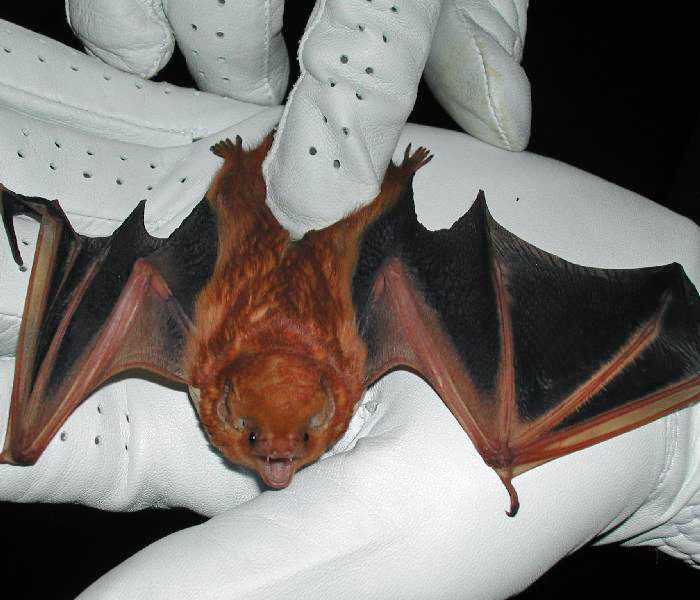
What the City of Aurora handles, and what it doesn't
Aurora Animal Services says its Animal Protection Officers respond to animals that may carry rabies, bats included. Wildlife removal from private property is not something the city does. In practice, a bat loose in a bedroom, or one that may have touched a person or pet, is a city and public-health matter. A colony using the attic is a contractor's job.
- Aurora Animal Services: 303.326.8288. Animal Care is located at 15750 E. 32nd Ave.
- Aurora Wildlife Hotline: 303.326.8435 — for wildlife questions that are not an immediate rabies-exposure call.
- Arapahoe County Public Health (possible exposure): 303-795-4584.
- Adams County Health Department communicable disease epidemiology (if your Aurora address is in Adams County): 720.769.7600.
Much of central and southern Aurora sits in Arapahoe County; northern neighborhoods toward Denver International Airport and Commerce City sit in Adams County. When a bat may have contacted a person or pet, call the health department for the county your address is in, and keep the bat for testing if Animal Services or a veterinarian can safely collect it.
Rabid bats close to Aurora
Arapahoe County's first rabies-positive animal of 2025 was a bat found near Dartmouth Avenue and Santa Fe in Englewood, confirmed May 29. One person was exposed and was contacted to start treatment. In 2026, the county's first positive was a skunk in Deer Trail (April 14). Arapahoe County Public Health said it ran more than 700 investigations the year before into animals that can carry diseases such as rabies. The county describes rabies as regularly found in Colorado wildlife, particularly skunks and bats, "even in urban areas."
That pattern matches statewide guidance from Colorado Parks and Wildlife: never handle a grounded bat, and treat any possible contact as a medical question until public health says otherwise.
Aurora homes, HOAs and bat entry points
Aurora's 160,276 housing units have a median build year of 1987. About 33% predate 1980, and 18% were built since 2010. Just over half (52%) are single-family detached homes, 22% of units sit in buildings with 10 or more apartments, and 39% of homes are rented. Townhome and HOA rooflines share soffits and ridge lines, so one colony can use several units. Newer east-Aurora and airport-corridor roofs still have ridge vents, gable vents and gaps where stucco or siding meets the fascia — openings a thumb can fit into, which is the size the Colorado Bat Working Group says bats use. Exclusion works best when the whole building is inspected, not just the unit where bats were seen. Bats don't chew new holes; they use gaps that already exist, so sealing those gaps is what solves the problem.
When bat exclusion can happen in Aurora
Colorado Parks and Wildlife asks property owners to avoid sealing bats out of buildings during pupping season, June through August. The Colorado Bat Working Group gives a slightly longer window (June to mid-August) and asks a simple question first: can the work wait until the maternity colony disperses in autumn?
In Aurora, NOAA normals for the Cherry Creek Dam station put the average low at 50°F or warmer in Jun–Aug, the stretch when insects, and therefore bats, are most active. That lines up with the state window. We use those months for inspection and night exit counts. One-way doors go up after the pups can fly, and stay up for the 5–10 nights the Working Group recommends before the last gaps are sealed.
Aurora at a glance
- Housing units: 160,276 (median year built 1987)
- Built before 1980: 33%; built 2010 or later: 18%
- Single-family detached: 52%; buildings with 10+ units: 22%
- Renter-occupied homes: 39%
- Average January low: 17°F; average July high: 90°F
- Months with an average low of 50°F or warmer: Jun–Aug
Housing figures: U.S. Census Bureau, ACS 2024 1-year estimates (tables B25024, B25034, B25035, B25003) via Census Reporter. Climate: NOAA 1991–2020 normals, Cherry Creek Dam station.
Common questions
Does Aurora Animal Services remove bats from attics?
No. The city says its Animal Protection Officers respond to possible rabies-vector animals, bats included, but do not do wildlife removal on private property.
Which health department do I call in Aurora?
Arapahoe County Public Health is at 303-795-4584. If your Aurora address is in Adams County, call the Adams County Health Department epidemiology line at 720.769.7600.
Have rabid bats been found near Aurora?
Arapahoe County's first rabid animal of 2025 was a bat found in Englewood near Dartmouth Avenue and Santa Fe, confirmed May 29, 2025. The county's first 2026 rabies-positive animal was a skunk in Deer Trail.
My HOA has bats in a shared roof. Who fixes it?
Usually the association or property manager, because the entry points are in common roof areas. We inspect the whole roofline, since bats move between connected units.
When can bats be excluded in Aurora?
Not during CPW's June–August pupping season. Late summer or fall, after the young are flying, is the usual window. One-way doors stay up for the 5–10 nights the Colorado Bat Working Group recommends before final sealing.
Nearby city guides
Sources
- Aurora Animal Services: field services
- Aurora Animal Services: wildlife
- Arapahoe County: First 2025 rabies case (bat, Englewood)
- Arapahoe County: First 2026 rabies case
- Colorado Parks and Wildlife: Living with Bats
- Colorado Bat Working Group (CNHP, CSU): excluding bats from buildings
- Census Reporter: Aurora profile (ACS 2024 1-year)
- NOAA NCEI 1991–2020 monthly normals (Cherry Creek Dam)
Other Colorado cities we serve
We serve all of Colorado. Here are nearby service areas.
Other wildlife removal services we offer here
Aurora bat removal, done right.
Call for a phone consultation. Written warranty.