
Bat Removal Denver, CO
Denver Animal Protection picks up bats all summer, sometimes several times a week. Here is what to do when one gets inside, who to call in the city, and when a colony can legally and safely be excluded.
Bats in Denver: what the city has seen recently
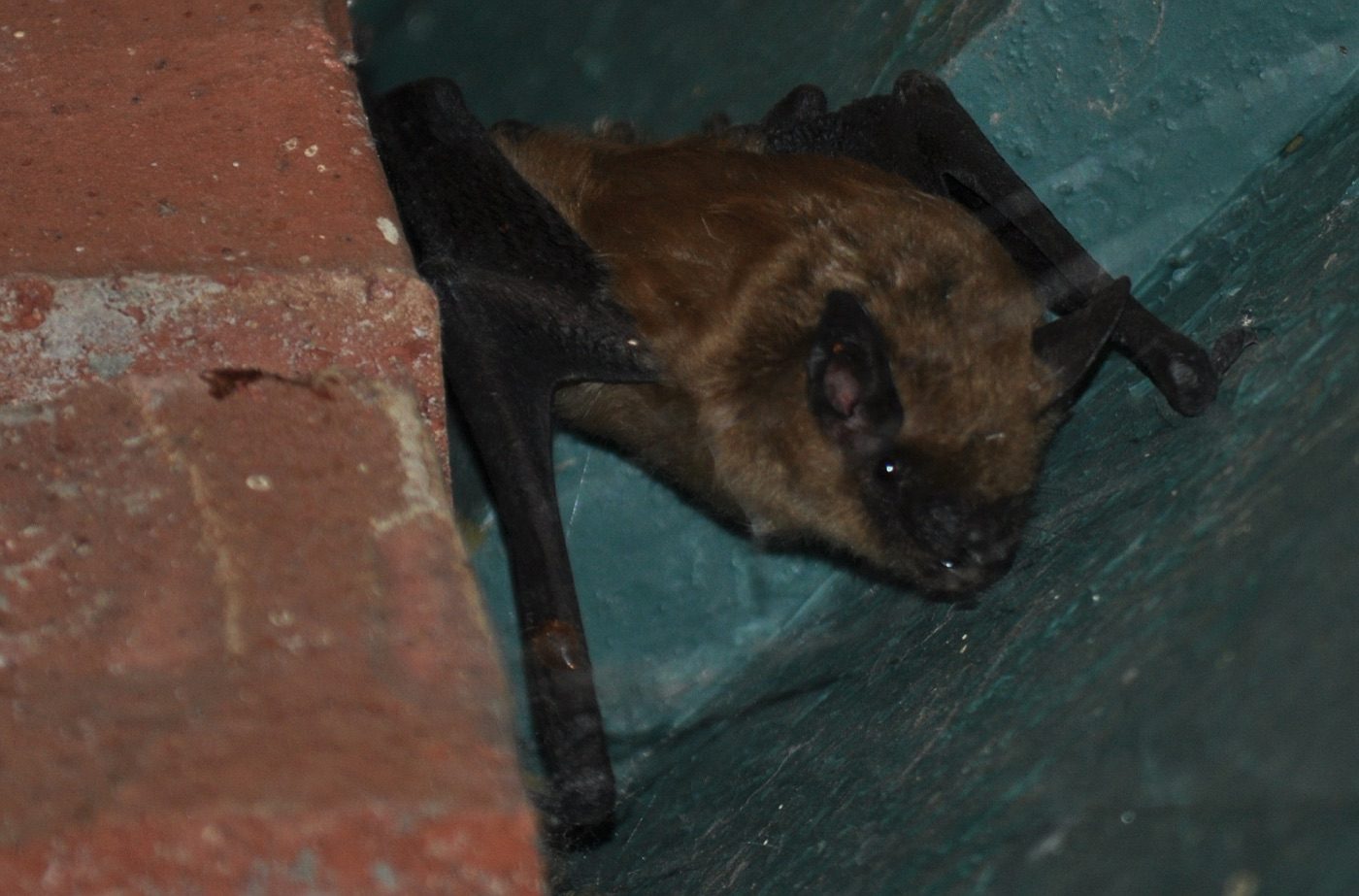
On July 23, 2025, Denver Animal Protection (DAP) reported two rabies-positive bats in the city. The first was found in the Sloan Lake neighborhood on July 8. The second was reported by a family in the Highlands neighborhood on July 17. DAP's note on that release is the most useful local detail for homeowners. It says most bat contacts in Denver happen when a bat has gotten into a home and someone wakes up to find it on the bed or in a room with a pet. DAP also says it picks up bats routinely through the summer, sometimes several times a week.
Both 2025 cases fall inside the mid-July to early-August spike that the Colorado Bat Working Group links to young bats learning to fly. Inexperienced pups crash-land, or leave and enter a roost through the wrong opening. That is often when a bat turns up in a living room.
Who to call in Denver
- Bat inside, or possible contact: Denver Animal Protection Officer Dispatch, (720) 913-2080. DAP asks residents to close off the area where the bat is and call. It will help capture the bat so it can be tested.
- General city line: 3-1-1, or (720) 913-1311 from outside Denver.
- Bites or scratches: wash the wound with soap and water, call your doctor, and report the bite to DAP.
- Pet vaccines: the Denver Animal Shelter at 1241 W. Bayaud Ave. runs a low-cost vaccine clinic on Tuesdays and Thursdays, 10:30 a.m. to 12:30 p.m., first come, first served (as listed in the 2025 release).
DAP handles sick or injured animals that can carry rabies. It does not remove healthy colonies from attics or walls; that is private exclusion work. Once the bats are gone, DAP's own advice is to close off any openings that let them into the house.
Why Denver's housing stock matters
Census figures show that about 51% of Denver's 372,123 housing units were built before 1980, and the median home dates to 1979. Older wood trim, attic vents and settled flashing leave the kind of gaps the Colorado Bat Working Group describes: any opening a thumb can fit into. At the same time, 42% of units sit in buildings with ten or more units and 52% of homes are rented. In those buildings, one roost can affect several households, and fixing it usually goes through a property manager rather than a single owner.
Colorado has roughly 20 bat species, according to CPW. A 2001–2005 study of big brown bats in nearby Fort Collins found that they pick human-made roosts that are warmer than average buildings. Those warm spaces help females raise pups, which is why summer colonies in buildings are maternity colonies.
When bat exclusion can happen in Denver
Colorado Parks and Wildlife asks property owners to avoid sealing bats out of buildings during pupping season, June through August. The Colorado Bat Working Group gives a slightly longer window (June to mid-August) and asks a simple question first: can the work wait until the maternity colony disperses in autumn? Because Denver bats are commonly found indoors at night, any bat in a bedroom should be kept for testing rather than released.
In Denver, NOAA normals for the Denver-Stapleton station put the average low at 50°F or warmer in Jun–Aug, the stretch when insects, and therefore bats, are most active. That lines up with the state window. We use those months for inspection and night exit counts. One-way doors go up after the pups can fly, and stay up for the 5–10 nights the Working Group recommends before the last gaps are sealed.
Denver at a glance
- Housing units: 372,123 (median year built 1979)
- Built before 1980: 51%; built 2010 or later: 25%
- Single-family detached: 40%; buildings with 10+ units: 42%
- Renter-occupied homes: 52%
- Average January low: 18°F; average July high: 90°F
- Months with an average low of 50°F or warmer: Jun–Aug
Housing figures: U.S. Census Bureau, ACS 2024 1-year estimates (tables B25024, B25034, B25035, B25003) via Census Reporter. Climate: NOAA 1991–2020 normals, Denver-Stapleton station.
Common questions
Will Denver Animal Protection remove bats from my attic?
DAP helps capture bats that are inside living space or that may have had contact with people or pets, so they can be tested. Excluding a colony from an attic or wall is private work done by a wildlife control company.
Have rabid bats been found in Denver?
Yes. In July 2025 DAP reported two rabies-positive bats, one from the Sloan Lake neighborhood (July 8) and one reported by a Highlands family (July 17).
I woke up with a bat in my bedroom in Denver. What should I do?
Do not release the bat. Close off the room and call DAP Officer Dispatch at (720) 913-2080 so the bat can be captured and tested, then talk to your doctor. DAP notes that bat bites can go unnoticed because bats have small teeth.
When can bats be excluded from a Denver house?
CPW asks owners to avoid sealing bats out from June through August, when flightless pups are in the roost. In practice, exclusion is scheduled for late summer or fall, once the young can fly.
Do bats hibernate in Denver attics over winter?
The Colorado Bat Working Group says Colorado research found bats do not hibernate in buildings to any notable extent; they winter in caves, mines and rock crevices. That makes the cold months a good time to seal openings on an empty roost.
Found a bat inside the house or a pet that caught one? Our guide to finding a bat in your house covers what counts as an exposure, how to contain the bat for testing, and who to call in each county.
Nearby city guides
Sources
- Denver: Two bats test positive for rabies (July 23, 2025)
- Denver Animal Protection: wildlife and pest control
- Colorado Parks and Wildlife: Living with Bats
- Colorado Bat Working Group (CNHP, CSU): excluding bats from buildings
- Census Reporter: Denver profile (ACS 2024 1-year)
- NOAA NCEI 1991–2020 monthly normals (Denver-Stapleton)
Other Colorado cities we serve
We serve all of Colorado. Here are nearby service areas.
Other wildlife removal services we offer here
Denver bat removal, done right.
Call for a phone consultation. Written warranty.