
Bat Removal Glendale, CO
Glendale is a half-square-mile city entirely surrounded by Denver, and almost all of its homes are rented apartments and condos in large buildings. That changes almost everything about a bat problem: who you call, who pays and how a roost is found. Here is how bat calls work in Glendale and what renters, owners and property managers should know.
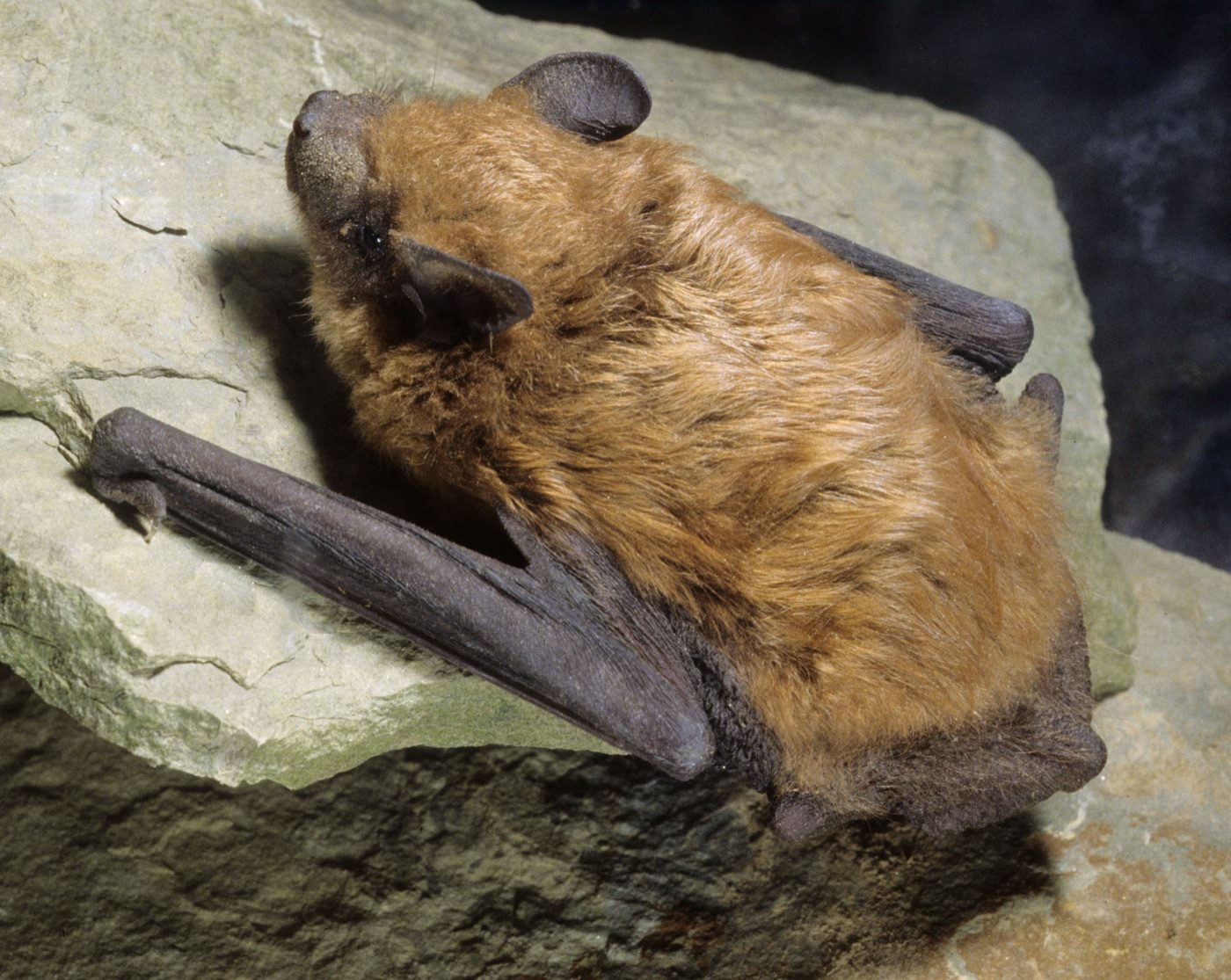
A small city surrounded by Denver
Glendale is an island of Arapahoe County with Denver on every side, about half a square mile along Cherry Creek. In 1859 the Cherokee Trail ran down the Cherry Creek valley past the Four Mile House stage stop. The name came later, from the Glendale Grange organized in 1896 and the Glendale Farm Dairy of 1902. Residents incorporated the town on January 8, 1952, largely to avoid being annexed by Denver. Today much of the city's small area is given to commercial buildings and office and residential high-rises. Glendale had 4,613 residents in 2020.
Almost everyone here rents
Glendale's housing is unusual even for the Denver area. Of its 2,902 housing units, 88% are in buildings with ten or more units, about 1% are single-family detached houses, and 96% of occupied homes are rented (ACS 2024 5-year). The median building dates to 1984, and 44% of units were built before 1980.
In practice, a Glendale bat problem is almost always a building problem. Bats in a large building can roost in expansion joints, behind loose flashing or parapet caps, in gaps around through-wall air-conditioner sleeves and vents, or under rooftop equipment curbs, and they can turn up in more than one unit. A tenant can't fix that from inside an apartment. Report it in writing to the property manager or HOA and keep the bat contained if it is inside, so the health department can decide on testing.
Who to call about a bat in Glendale
- Emergencies: 911.
- A bat inside your unit, or a sick or grounded bat: Glendale has no animal control officers or shelter of its own. The city contracts animal services to the City and County of Denver, so the call goes to Denver Animal Protection, 720-913-2080. DAP responds to sick or injured rabies-vector wildlife, including bats, but not to nuisance conflicts.
- Possible contact with a bat (a bite or scratch, a bat in a room where someone slept, or near a child or pet): Arapahoe County Public Health, 303-795-4584. Glendale is in Arapahoe County, so the county health department, not Denver's, handles exposures.
- Glendale Police non-emergency: 950 S. Birch St., 303-759-1511.
- Wildlife questions: Colorado Parks and Wildlife, Denver office, 303-291-7227.
CDPHE asks that a bat found in a home not be released or thrown away until the health department has assessed the risk. None of these agencies removes a colony from a building. That is up to the owner, the HOA or the property manager.
Rabid bats in Arapahoe County
CDPHE's annual tables counted 5 rabid bats in Arapahoe County in 2017 and 4 in 2018. More recently the county's first rabid animal of 2024 was a bat found near Quincy Avenue and Santa Fe Drive in Englewood, and two people who were exposed needed treatment. In 2025 the first case was again a bat in Englewood, near Dartmouth Avenue and Santa Fe, with one person exposed. Statewide, UCHealth reported 43 rabid animals in Colorado by late August 2026, 31 of them bats.
Cherry Creek runs through town
Cherry Creek flows through Glendale, and the creek's trees and water draw insects on summer nights, which draws bats. Most of those bats roost in trees or in buildings and never come inside. The ones that do are often young bats in mid-summer that have taken a wrong turn, or bats from a roost in the building itself. Either way, the fix is the same: find where they enter, wait until the young can fly, then close the building.
When bat exclusion can happen in Glendale
Colorado Parks and Wildlife asks property owners to avoid sealing bats out of buildings during pupping season, June through August. The Colorado Bat Working Group gives a slightly longer window (June to mid-August) and asks a simple question first: can the work wait until the maternity colony disperses in autumn? In a large building, inspection also means checking roofs, parapets and mechanical penetrations, not only the unit where a bat was seen.
In Glendale, NOAA normals for the Denver Water Dept station put the average low at 50°F or warmer in Jun–Sep, the stretch when insects, and therefore bats, are most active. That lines up with the state window. We use those months for inspection and night exit counts. One-way doors go up after the pups can fly, and stay up for the 5–10 nights the Working Group recommends before the last gaps are sealed.
If a bat is already inside, see our guide to finding a bat in your house in Colorado.
Glendale at a glance
- Housing units: 2,902 (median year built 1984)
- Built before 1980: 44%; built 2010 or later: 13%
- Single-family detached: 1%; buildings with 10+ units: 88%
- Renter-occupied homes: 96%
- Average January low: 21°F; average July high: 91°F
- Months with an average low of 50°F or warmer: Jun–Sep
Housing figures: U.S. Census Bureau, ACS 2024 5-year estimates (tables B25024, B25034, B25035, B25003) via Census Reporter. Climate: NOAA 1991–2020 normals, Denver Water Dept station.
Common questions
Who do I call about a bat in my Glendale apartment?
Glendale contracts its animal services to Denver, so call Denver Animal Protection at 720-913-2080 for a bat in your unit. If anyone may have touched it or slept in the room, also call Arapahoe County Public Health at 303-795-4584. Then tell your property manager in writing.
Why does Denver handle animal calls in Glendale?
Glendale has no animal control officers or shelter of its own. The city contracts animal services through the City and County of Denver. Rabies exposures are different: Glendale is in Arapahoe County, so Arapahoe County Public Health assesses bat contact.
I rent. Who pays to remove bats from my building?
Usually the owner or HOA, because bats roost in the building's roof, walls and joints, not in one apartment. About 96% of occupied homes in Glendale are rented. Report the problem in writing and keep any bat found inside contained for the health department.
Have rabid bats been found near Glendale?
Yes. CDPHE counted 5 rabid bats in Arapahoe County in 2017 and 4 in 2018, and the county's first rabid animals of 2024 and 2025 were both bats found in Englewood. Any bat that may have touched a person or pet should be tested.
When can bats be excluded from a Glendale building?
Not during pupping season, June through August, when CPW asks owners not to seal bats out. One-way devices go up once the young can fly, usually late August or September, and openings are sealed after the bats have left.
Nearby city guides
Sources
- Wikipedia: Glendale, Colorado (Arapahoe County home rule city surrounded by Denver; Cherokee Trail and Four Mile House stage stop 1859; name from the 1896 Glendale Grange and the Glendale Farm Dairy of 1902; incorporated January 8, 1952 to avoid annexation by Denver; 4,613 residents in 2020; office and residential high-rises)
- City of Glendale: FAQ, How do I contact Animal Control? (no shelter or animal control officers; animal services contracted to the City and County of Denver, 720-913-2080; police non-emergency 303-759-1511)
- City of Glendale: Police Department (950 S. Birch St.; non-emergency 303-759-1511)
- City and County of Denver: Wildlife and pest control (Denver Animal Protection responds to sick or injured rabies-vector wildlife such as bats, raccoons and skunks, and to birds of prey; not to nuisance conflicts)
- Arapahoe County Public Health: Animal and insect-related diseases (report animal bites and exposures; 303-795-4584)
- Arapahoe County: First 2024 case of rabies in Arapahoe County identified (bat near Quincy Ave. and Santa Fe Dr., Englewood; two people exposed and treated)
- Arapahoe County: First 2025 Arapahoe County rabies case identified in an animal (bat near Dartmouth Ave. and Santa Fe, Englewood, positive May 29, 2025; one person exposed)
- Arapahoe County: First 2026 rabies case detected in Arapahoe County (skunk in Deer Trail, positive April 14, 2026; more than 700 animal investigations in 2025)
- CDPHE: Rabies in Colorado, 2017 (lab-confirmed rabid animals by county; Arapahoe 5 bats and 5 skunks; no Routt County cases listed)
- CDPHE: Rabies in Colorado, 2018 (Arapahoe 4 bats and 1 skunk; no Routt County cases listed)
- CDPHE: Colorado Rabies FAQ (do not release or dispose of a bat found in the house until the health department has assessed the risk)
- CDPHE: Rabies testing (fee-waived testing for bats with suspected human, pet or livestock contact; Communicable Disease Branch 303-692-2700, after hours 303-370-9395)
- CDPHE: Historical rabies data (links to county-by-species tables)
- UCHealth Today: Rabies, why this deadly disease remains a threat (Sept. 4, 2026; 43 rabid animals in Colorado as of late August 2026, 31 of them bats)
- CDC: Preventing rabies from bats
- Colorado Parks and Wildlife: Living with Bats (avoid sealing bats out during pupping season, June-August; white-nose syndrome first confirmed in Colorado in 2023)
- Colorado Parks and Wildlife: Contact us (Denver office, 6060 Broadway, 303-291-7227)
- Colorado Bat Working Group (CNHP, CSU): excluding bats from buildings
- Colorado Parks and Wildlife: Protect your home from wildlife
- Census Reporter: Glendale profile (ACS 2024 5-year)
- NOAA NCEI 1991–2020 monthly normals (Denver Water Dept)
Other Colorado cities we serve
We serve all of Colorado. Here are nearby service areas.
Other wildlife removal services we offer here
Glendale bat removal, done right.
Call for a phone consultation. Written warranty.