
Pocket Gophers or Voles? How to Read the Damage in Your Colorado Yard This Fall
Fresh dirt mounds and matted trails in the lawn usually trace back to one of two animals in Colorado, and neither one is a mole. Figuring out which you have decides what to do before the first snow.
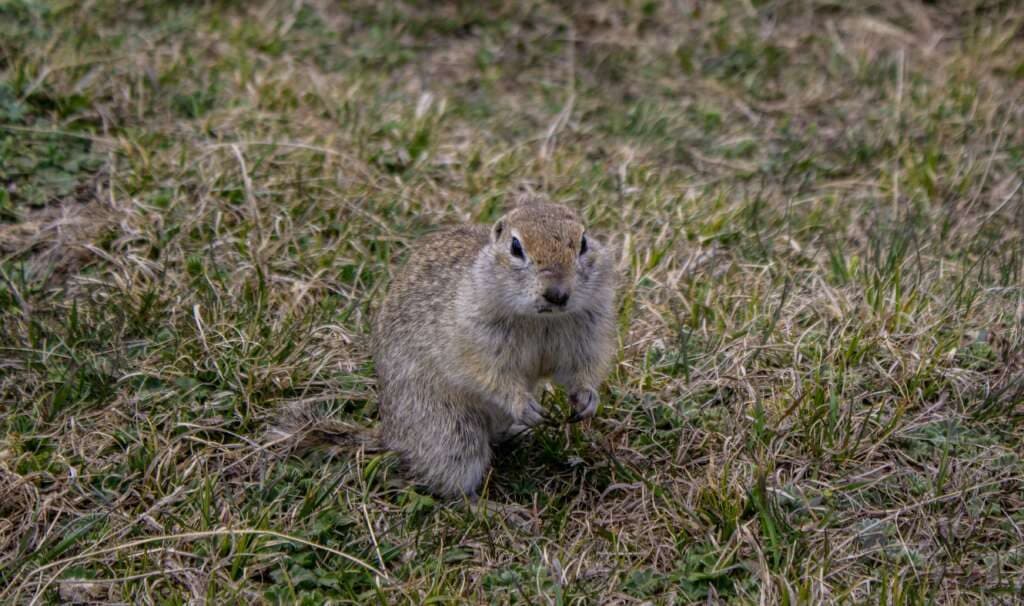
First, it is probably not a mole
Plenty of people call it a mole problem. In most of Colorado, that is the wrong animal. Colorado State University Extension reports that moles live in the state only in specific pockets of the northeastern plains, in Logan, Sedgwick, Phillips, Morgan, Washington, and Yuma counties, plus Baca County in the far southeast. Its fact sheet says damage blamed on moles is most likely done by another species.
On a lawn in Denver, Fort Collins, Castle Rock, or Colorado Springs, the likely suspects are a pocket gopher or a vole, with prairie dogs and ground squirrels as the lookalikes to rule out. They leave very different signs, they cause different kinds of damage, and fall matters for both of them.
Fresh mounds in fall point to pocket gophers
Pocket gophers spend nearly their whole lives underground, and they announce themselves with dirt. According to CSU Extension's pocket gopher fact sheet, they push excavated soil into fan-shaped mounds about 12 to 18 inches wide and 4 to 6 inches high. The hole the soil came out of is plugged, so you will not see an open entrance. Look for a small circle or dimple of packed dirt on one edge of the fan instead.
A few more numbers from the same fact sheet show why a single gopher can wreck a lawn:
- One gopher usually builds one to three mounds a day
- A single animal brings about 2 1/4 tons of soil to the surface each year
- A burrow system can hold up to 200 yards of tunnel and a hundred or more mounds
- Tunnels measure 2 to 3 1/2 inches across and usually sit 4 to 18 inches below the surface
CSU also says mound-building activity is usually greatest in spring and fall, so a burst of new mounds in late September fits the pattern.
Colorado has four pocket gopher species, and CSU notes they mostly live in different parts of the state. Usually only one adult lives in each burrow system outside of breeding and raising young. So a lawn full of mounds is often the work of fewer animals than it looks like. The same fact sheet lists bullsnakes and rattlesnakes among the animals that prey on pocket gophers, which is one reason a yard full of rodents can draw snakes. Our post on rattlesnakes around Colorado homes covers that side of it.
Grass trails and open holes point to voles
Voles are small, pudgy rodents, 4 to 8 inches long, with short tails and tiny ears. Colorado has eight species of them, according to CSU's vole fact sheet. People sometimes call them meadow mice or field mice.
Voles do not push up mounds. They travel on the surface through runways, narrow trails 1 to 2 inches wide worn through matted grass, with open holes about the same size leading underground. The soil in heavy vole areas can feel spongy underfoot. CSU notes that vole holes are often dug next to a rock, and its burrowing animals guide adds that you will frequently see voles themselves, since they are active all year and often above ground.
Vole numbers swing hard from year to year. CSU reports populations ranging from 14 to 500 voles per acre, with peaks every three to five years. With three to six young per litter and up to a dozen litters a year, a quiet yard can turn into a busy one in a single season.
A quick side-by-side
When you walk the yard, these are the signs that sort one from the other:
- Mound of soil: pocket gopher. Voles do not make mounds.
- Hole left open: vole. Gopher holes are plugged.
- Trails worn through the grass surface: vole.
- Your foot breaks through into a tunnel: most likely a gopher, whose tunnels sit a few inches below the surface.
- Plants suddenly wilting with roots eaten: gophers feed on roots from below. Voles also girdle roots, so check for runways nearby.
- Bark chewed in small, irregular patches near the ground: vole. CSU describes the gnaw marks as about 1/16 to 1/8 inch wide.
Rule out ground squirrels and prairie dogs
Two other burrowers get mixed up with gophers, depending on where in Colorado you live. Both leave open holes, and both spend a lot of time in plain view.
CSU's burrowing animals guide describes prairie dog holes as 4 to 8 inches across, with vegetation clipped back around them and, over time, a dome or crater-shaped mound. Black-tailed prairie dogs are the common species along the Front Range and eastern plains, and they live in colonies, so the damage spreads across an area rather than one line of mounds.
CSU notes that Wyoming ground squirrels, formerly called Richardson's ground squirrels, mostly live at higher elevations, from about 6,000 to 12,000 feet, in central and northern Colorado west of the Front Range. Their burrows stay open, and unlike gophers and voles, they hibernate through winter. If you can watch the animal pop in and out of an open hole during the day, you are not dealing with a pocket gopher.
Why fall is the time to act
Neither animal takes winter off. CSU says most vole damage happens in winter, when voles move through their grass runways under the protection of snow, and the greatest damage lines up with years of heavy snowfall. They chew bark in patches and can girdle a trunk completely. Nobody sees it until the snow melts, and by then a young tree can be finished.
Pocket gophers keep tunneling under the snow too. CSU notes that they clip trees and shrubs just above ground, especially under snow cover, and that eskers, long ropes of soil pushed into the snowpack, show up on the lawn at snowmelt. Gophers can also damage underground utility cables and irrigation lines.
That makes the weeks before the first lasting snow the practical window. A few steps from the CSU fact sheets help on their own:
- Mow closely in fall before snow arrives, and cut back tall grass near the lawn, which CSU says reduces vole damage to lawns
- Guard young trees with cylinders of 1/4-inch hardware cloth that stand about 18 inches above the ground and extend 3 to 6 inches below the surface
- Keep grass and weeds cleared in a circle about 2 feet around young tree trunks through the growing season, since CSU says voles avoid exposed areas
- Protect buried lines in known gopher areas; CSU notes conduit larger than 2.9 inches in diameter resists gopher chewing
What Colorado rules allow
Neither animal is protected the way bats or songbirds are. CSU states that pocket gophers are not protected by state or federal laws, and that voles are classified as non-game wildlife that may be captured or killed when they create a nuisance or cause property damage. Colorado Parks and Wildlife allows a landowner or their agent to hunt, trap, or take voles and pocket gophers without a permit on private property experiencing damage, and for pocket gophers that explicitly includes poisons and toxicants.
Rodenticides are the method most likely to go wrong in a backyard. CSU warns that zinc phosphide, one vole control product, is a restricted use pesticide that is extremely toxic, and that care must be taken to avoid risks to children, pets, and non-target wildlife. Every product has to be used exactly as the label says. Local ordinances can also be stricter than state rules.
How professional control works
A good gopher or vole job starts with identification, not bait. Once the animal is confirmed, the next step is mapping which mounds or runways are fresh, since old workings tell you where an animal was, not where it is now. Control then targets the active systems, and tree protection goes in before the snow, not after.
Colorado Wildlife Specialists handles both. We use techniques that are safe for you and your domestic pets, and every technician on the job is background checked and fully insured, as our gopher and vole service page describes. If mounds or runways are spreading across your yard this fall, get in touch before the snow hides what is going on underneath.
Frequently asked questions
Do pocket gophers and voles hibernate in Colorado?
No. Colorado State University Extension says voles are active day and night throughout the year and do not hibernate. Pocket gophers keep digging under snow cover too, which is why long ropes of soil called eskers show up on lawns as the snow melts in spring.
Do we have moles in Denver or along the Front Range?
Almost certainly not. CSU Extension reports that moles occur in Colorado only in specific areas of the northeastern plains along the lower South Platte and in Baca County in the southeast. It says damage blamed on moles elsewhere is most likely caused by another species, usually a pocket gopher or a vole.
Is it legal to trap pocket gophers and voles in Colorado?
Colorado Parks and Wildlife allows a landowner or their agent to hunt, trap, or take voles and pocket gophers without a permit on private property that is experiencing damage, and for pocket gophers that includes poisons and toxicants. Local rules can be stricter, and any rodenticide has to be used exactly as its label directs, since misuse can harm pets and other wildlife.
Can voles kill my trees?
They can. CSU Extension says voles girdle trees and shrubs by chewing the bark, with most damage happening in winter when they move under the snow. Young trees are the most vulnerable. A cylinder of quarter-inch hardware cloth around the trunk, set a few inches into the soil, is the standard protection.
Related reading
Mounds or runways showing up in your yard?
We identify the animal first, then use methods chosen with your family and pets in mind.