
What Is That Scratching in My Attic? Identifying the Animal in a Colorado Home
The sound you hear, the time of night, and the season together tell you most of what you need to know about the animal in your attic. Here is how to build a working theory before anyone climbs onto your roof.
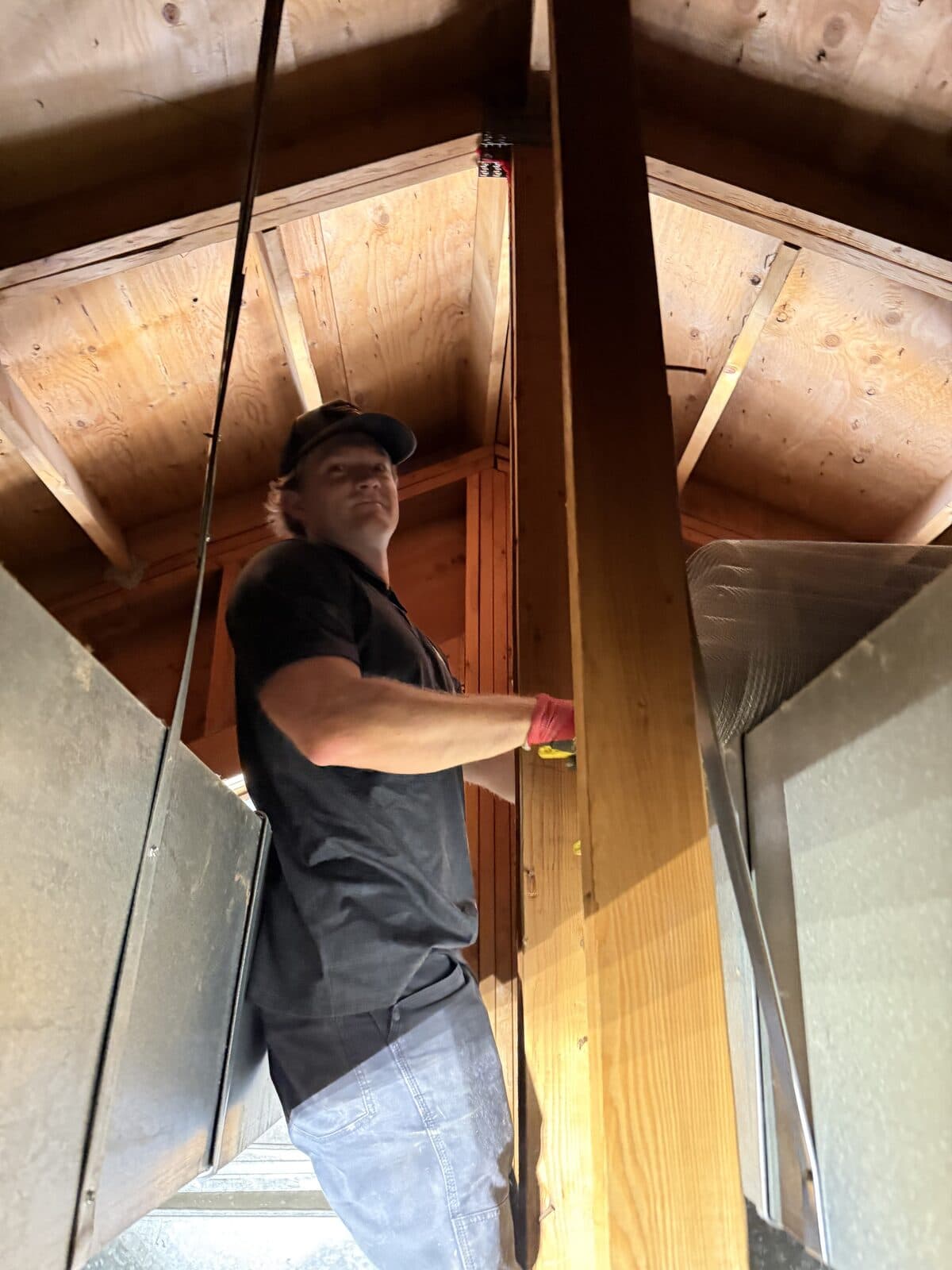
Something is moving above your ceiling at midnight, and it is not slowing down. It scratches, stops, then scratches again from a slightly different spot. It sounds deliberate. It sounds settled. That is usually because it is.
Colorado's Front Range sits at the edge of some serious wildlife territory. Prairie dogs, fox squirrels, raccoons, pack rats, and multiple bat species all share the same neighborhoods as homeowners in Denver, Aurora, Colorado Springs, and Longmont. When temperatures swing hard, as they do along the foothills, animals that have been fine outdoors start looking for insulated, dry, protected space. Your attic checks all of those boxes.
Here is the practical part: the sound you are hearing, the time you hear it, and the time of year are enough to build a working theory before anyone sets foot on your roof. By the end of this article, you will have a reasonable guess about what animal is up there and a clear picture of what to do next.
Sound Is Your First Diagnostic Tool
Different animals move differently, and those movement patterns produce distinct sounds through the ceiling. Scratching, scurrying, and thumping are not interchangeable. Each one points in a different direction.
Slow, dragging scratching usually means claws working against wood or rigid insulation. Squirrels scratch this way when they gnaw on structural lumber or cache food. A fox squirrel, the large rusty-brown species common in Denver's older neighborhoods, can sound surprisingly heavy for its size when it is working on a joist. Raccoons produce a broader, slower scratching sound as they move nesting material around, more like rearranging furniture than footsteps.
Fast, light scurrying in a straight line is the signature of rodents. Mice and roof rats follow the same travel paths repeatedly, running along joists and wall cavities. A mouse needs a gap no larger than a quarter-inch to enter a structure. A rat needs roughly a half-inch. Their footsteps are rapid and light. If the scurrying is loud enough to pull you out of sleep, lean toward rats. Pack rats, also called woodrats, are a common Colorado species and tend to be noisier than their urban cousins because they drag significant material back to their nests.
Heavy thumping, intermittent and landing with real weight, points to larger animals. A raccoon dropping from a beam onto the attic floor produces a muffled thud that stops a conversation in the room below. Raccoons are year-round residents in metro areas from Arvada to Colorado Springs. Opossums are less common on the Front Range but do appear in lower-elevation neighborhoods and move with a slow, heavy dragging quality.
Soft fluttering near dusk or just before sunrise is its own category. Bats do not thump or scurry. They rustle. A colony settling into a roost point produces faint, rapid wing movement and, if young pups are present, a chittering that sounds almost like a faint radio signal. If the sound clusters around the transition from light to dark and disappears within an hour, bats are the first candidate to investigate.
What Time Are You Hearing It?
Activity timing cuts the list of candidates in half immediately. Animals fall into two broad camps: those active during the day and those active at night. Knowing which camp you are dealing with narrows things down before you ever look at the exterior.
Noise that tracks with daylight, starting around sunrise and tapering off by mid-afternoon, points almost exclusively to squirrels. Fox squirrels and Abert's squirrels, both common along the Colorado Front Range, are diurnal, meaning they are active during daylight hours. They leave to forage at dawn, return throughout the morning, and settle in before dark. If the noise stops when the sun goes down, squirrels move to the top of the list. This pattern is consistent enough that daytime attic noise in a Colorado home is squirrel until proven otherwise.
Noise between roughly 10 p.m. and 4 a.m. points toward rats, raccoons, mice, and pack rats. Each has a slightly different window within that range. Roof rats tend to peak in the two hours after midnight. Raccoons are most active between midnight and 3 a.m. Pack rats are active throughout the night and often louder than people expect, because they are constantly moving material. If the sound involves dragging, repetitive trips between two points, and occasional thumping of objects, a pack rat is worth considering seriously.
Noise only at dusk and again just before dawn, with silence in between, is the bat pattern. That short activity window at each light transition, combined with a fluttering rather than footstep sound, is difficult to mistake once you know what to listen for.
Season Tells You Why the Animal Is There, and Whether Young Are Involved
Wildlife behavior follows Colorado's calendar. Animals seek shelter for different reasons at different times of year, and those reasons affect how urgently you need to act and what complications you might face.
Late winter into early spring, roughly February through April, is when pregnant squirrels and raccoons actively search for denning sites. A female fox squirrel typically gives birth to a litter of two to four pups in late winter. Raccoon litters average three to five kits. If you first hear noise during this window, assume there is a real possibility of young animals present. Removing a nursing mother without addressing her offspring creates a separate problem: pups that cannot survive on their own and will not be quiet about it.
Spring and summer are the period when bat activity peaks in Colorado. According to Colorado Parks and Wildlife (cpw.state.co.us), bat maternity colonies form in late spring and remain active into late summer. During this period, roughly June through August, exclusion work, which means sealing entry points so bats cannot return, should be avoided. Young bats that cannot yet fly would be trapped inside and die. Colorado Parks and Wildlife publishes its seasonal guidance, and any licensed wildlife company operating in Colorado follows those dates. If your noise started in spring and it flutters, you are likely waiting until the maternity season closes before exclusion work can begin.
Fall in Colorado, particularly September through November, is when mice, roof rats, and pack rats push indoors as temperatures drop. A single pair of mice can produce up to 35 offspring per year under the right conditions. By the time you hear them, the entry point has typically been open for weeks. Squirrels also cache food and establish secondary nests in fall. A space that was used in spring and left without a sealed entry is a natural return destination.
Winter noise most often means raccoons seeking warmth. Raccoons do not hibernate. They slow down during cold snaps and become active again when temperatures moderate. A homeowner who hears intermittent thumping through December and January, quiet for a week then noisy again, is often dealing with a raccoon following temperature swings.
Physical Evidence That Confirms What the Sound Suggests
Sound is a strong indicator, but physical evidence locks in the identification. A licensed technician will check all of these during an exterior inspection. Several are visible from the ground with a good flashlight.
Entry points are the clearest external evidence. Squirrels use gaps at roof-soffit intersections, damaged fascia boards, and open or deteriorating vents. The gap needs to be roughly 1.5 inches for a squirrel to pass. Raccoons need 4 inches or more and will often enlarge a smaller gap rather than find a bigger one. Mice and rats need almost nothing. A quarter-inch crack in mortar or a gap around a pipe penetration is sufficient. Bats can enter through a gap far narrower than people expect, smaller than any of the other animals here.
Droppings help confirm the species when they are accessible. Mouse droppings are roughly the size of a rice grain, dark, and tapered at both ends. Rat droppings are larger, around three-quarters of an inch, blunt-ended, and capsule-shaped. Pack rat droppings are similar but often found in large concentrated piles near the nest. Raccoon droppings are substantial, 2 to 3 inches long, and frequently contain berry seeds or insect material. Bat droppings, called guano, crumble easily when dry and accumulate in cone-shaped piles directly below a roost point.
Nesting material tells you the animal has committed to the space, not just passed through it. Squirrels build compact nests from leaves, shredded insulation, and fibrous material. Pack rats construct large, complex middens from sticks, debris, and any small objects they find interesting. Raccoons pile soft material loosely into a mound. The size and construction style of the nest gives a technician a sense of how long the animal has been present.
Rodents leave gnaw marks on wood, foam insulation, and, critically, electrical wiring insulation. Those chew marks on wiring are a direct fire risk. According to the National Fire Protection Association, rodents are implicated in an estimated 20 to 25 percent of house fires with undetermined causes. If you find gnaw marks on any wiring, the timeline for getting a technician out shortens significantly.
Colorado-Specific Species Worth Knowing
Colorado has a few animals that homeowners in other states may not think to consider. Pack rats, also called woodrats, are a notable example. They are common in both urban and foothill properties from Boulder to Pueblo, and they are dedicated collectors. A pack rat will haul shiny objects, food wrappers, and construction debris into a nest inside a wall or attic cavity. The noise from a pack rat moving material sounds busy and repetitive, almost like someone rearranging a closet at 2 a.m.
Abert's squirrels, identifiable by their tufted ears, are common along the foothills near ponderosa pine and appear in suburban areas bordering open space in Lakewood, Westminster, and north into Thornton. Their behavior in attics mirrors fox squirrels, but they tend to be somewhat larger and can do considerable gnawing damage on structural wood.
Prairie rattlesnakes are unlikely attic visitors but do occasionally enter crawl spaces and lower-level voids in properties near open land in Colorado Springs and areas south and east of Denver. According to Colorado Parks and Wildlife, the prairie rattlesnake is the venomous snake Coloradans are most likely to encounter, though it is not the state's only native venomous species. If you hear a faint buzzing or rattling from a low wall cavity or crawl space rather than the ceiling, do not approach. Call a licensed wildlife company. This is not a situation for a hardware store snake repellent.
How Much Does Waiting Actually Cost You?
The average gap between first hearing an attic noise and calling a wildlife company is four to six weeks. That window matters in ways that show up on the invoice later.
Wildlife damage inside an attic falls into three categories. Structural damage includes gnawed joists, torn insulation, and damaged roof decking. Hazardous damage includes urine saturation in wood, contaminated insulation, and chewed electrical wiring. Infestation damage includes the fleas, ticks, and mites that arrive with the animal and remain in the space after the animal is removed, unless the area is treated.
Exclusion work done early, before a colony grows or a female gives birth, is meaningfully less expensive than remediation work done after months of occupancy. General industry estimates for straightforward exclusion start in the low hundreds of dollars. Full attic remediation following a large established colony can run several thousand. The free on-site inspection exists to give you a specific number, not a range, because the specifics of your home are what set the price.
Frequently asked questions
Is it dangerous to let a wild animal stay in my attic?
Yes, over time. Most wildlife chews wiring, shreds insulation, and contaminates the space with urine and droppings. Structural damage and fire risk grow the longer the animal remains. Some species also carry parasites. A licensed technician can assess the risk during a free on-site inspection.
Can I remove the animal myself in Colorado?
It depends on the species. Bats are protected under Colorado state wildlife rules, and some species carry additional federal protections. According to Colorado Parks and Wildlife (cpw.state.co.us), killing bats is illegal. Exclusion work should be avoided during the summer maternity season, roughly June through August, because young bats that cannot yet fly would be trapped inside. For other species, Colorado Parks and Wildlife lists current trapping regulations on its site. Always confirm before touching any wild animal.
How much does wildlife removal cost in Colorado?
Costs depend on the species, the number of entry points, and how long the animal has been present. Industry ranges typically run from a few hundred dollars for a simple rodent exclusion to several thousand for a full bat colony exclusion combined with attic remediation. The only honest number comes from a free on-site inspection specific to your home.
The noise stopped. Does that mean the animal is gone?
Not necessarily. Many species go quiet during cold spells or daylight hours and become active again when temperatures shift or night falls. Young animals also stop vocalizing as they mature. The entry point is still open. If you heard the noise, have the exterior inspected before assuming the problem resolved itself.
Related reading
Wildlife in your home? Contact us today.
Call for a phone consultation.